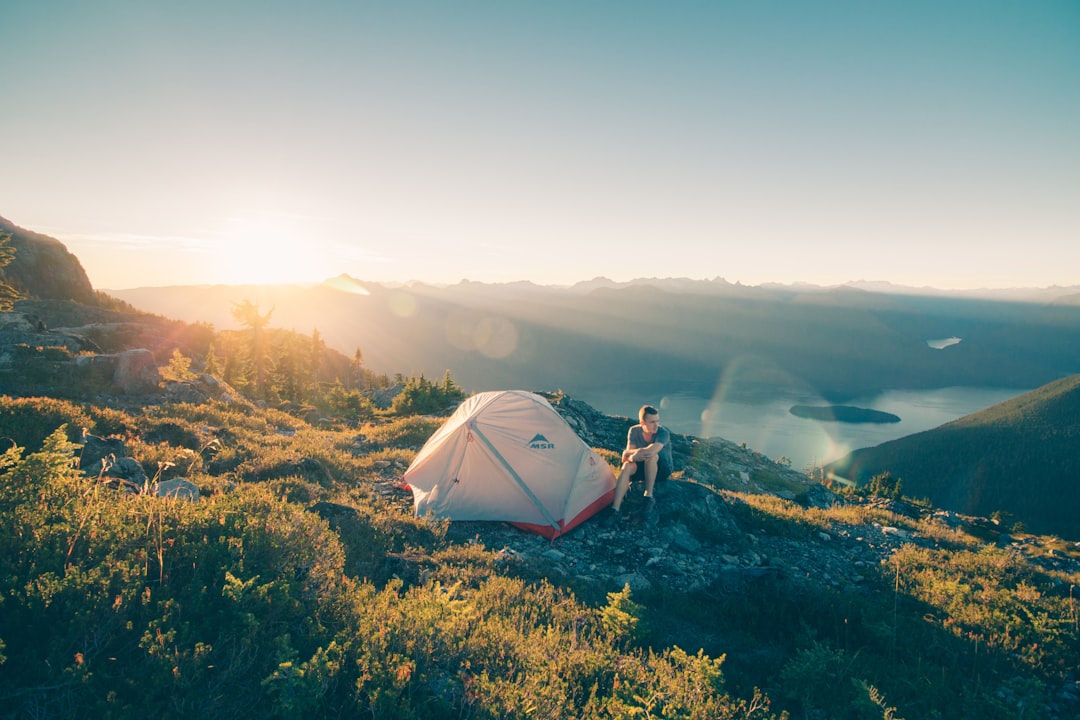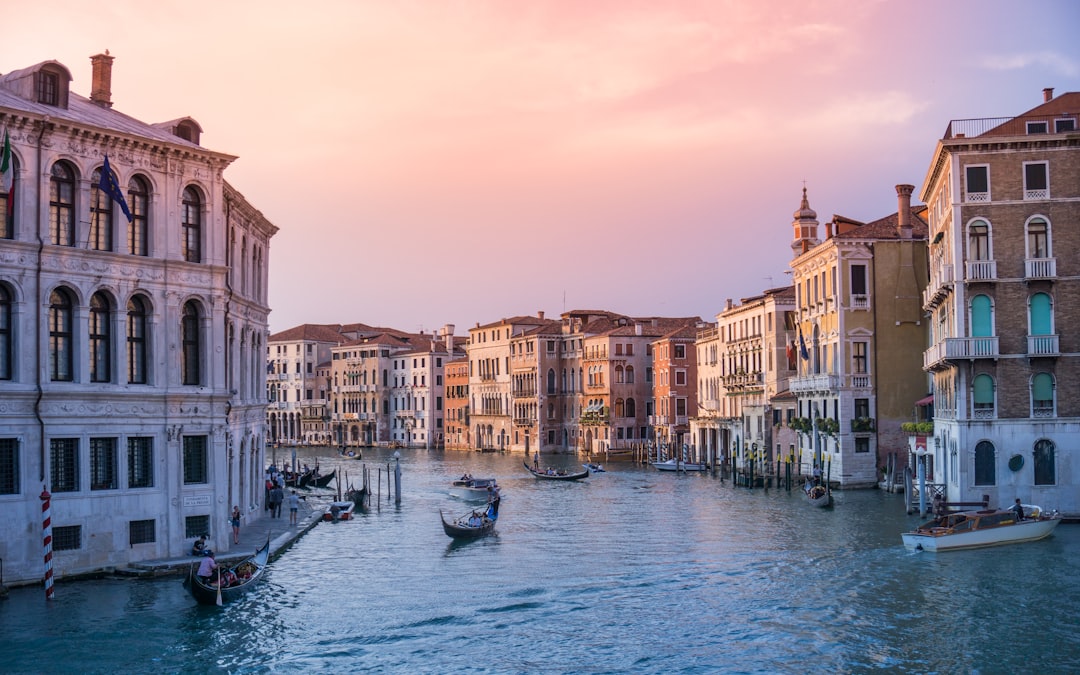
The world of outdoor travel offers a spectrum of experiences, from the lap of luxury to the embrace of affordability. Each comes with its unique charms and challenges, and both can provide unforgettable adventures amidst nature’s splendor. On one hand, luxury travel offers an unparalleled level of comfort and exclusivity. Imagine waking up in a plush bed in a tented camp that rivals any five-star hotel, complete with gourmet meals prepared by top chefs and personalized guided tours. This is the realm of glamping, where the beauty of the wild is matched by the opulence of your surroundings. The focus is on delivering an experience that is both indulgent and intimate, with a strong emphasis on sustainability and minimal impact on the environment. Luxury lodges and eco-resorts in breathtaking locations provide another avenue for high-end travelers. These destinations offer not just accommodation, but an immersive experience where guests can engage in activities like guided wildlife tours, private beach access, or helicopter rides over stunning landscapes. The attention to detail and commitment to customer service ensure that every need is met, making the trip as stress-free as possible. On the other hand, affordable travel brings its own set of rewards, particularly for those who seek a more authentic connection with nature. Budget travelers often find themselves camping under the stars, cooking over open fires, and hiking through trails that lead to spectacular vistas. This approach to travel encourages a deeper connection with the environment, fostering a sense of self-reliance and appreciation for the simpler things in life. Affordable travel is often about making smart choices. By using public transportation, staying in hostels or budget lodges, and dining at local eateries, travelers can stretch their dollars further. The savings can be used to splurge on unique experiences like a guided trek through a national park or renting gear for a day of kayaking or rock climbing. Moreover, affordable travel often brings with it a sense of camaraderie and community. Whether it’s sharing a campfire story with fellow travelers or exchanging tips with locals, these interactions can lead to friendships and insights that money can’t buy. The shared experiences and stories create a tapestry of memories that enrich the traveler’s journey. Ultimately, the choice between luxury and affordable travel is a personal one, shaped by individual preferences and priorities. While luxury offers comfort and exclusivity, affordability opens doors to authentic, grassroots experiences. Both paths offer a unique way to connect with nature, each leaving an indelible mark on the traveler. In the end, whether you choose the allure of luxury or the charm of budget-friendly adventures, the great outdoors remains a magnificent backdrop. It’s not just about where you go, but how you choose to experience it. Nature awaits, ready to offer its wonders to those willing to explore its vast and varied landscapes.
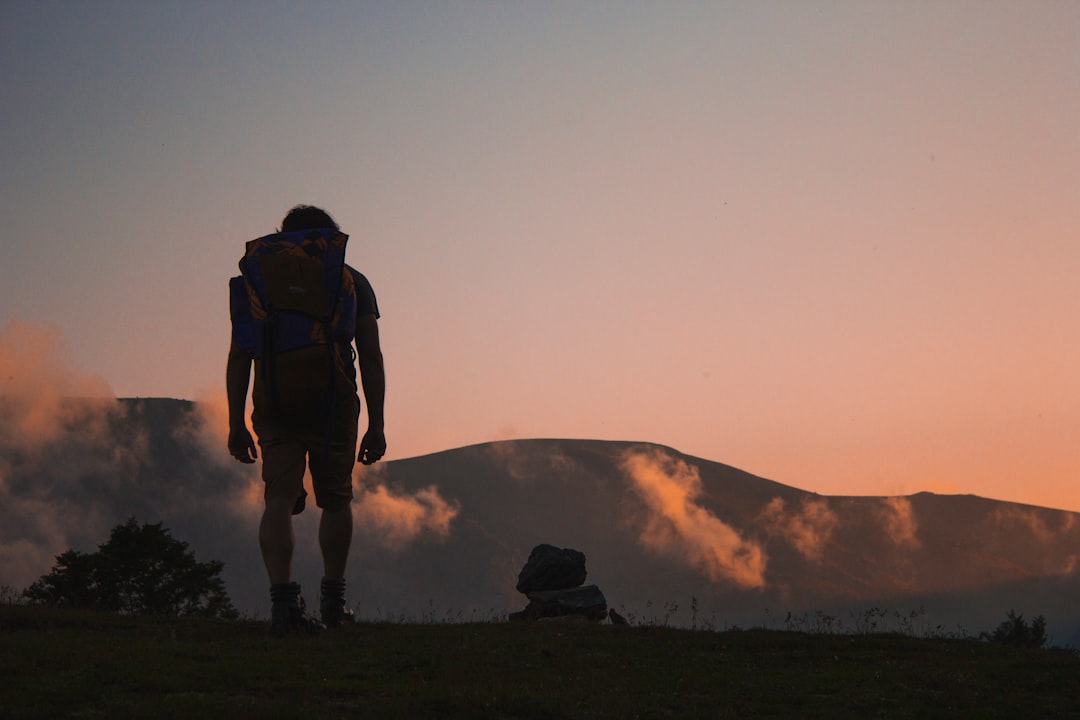
Journey Beyond: Discovering the Uncharted Corners of the World on a Budget
Imagine this: the thrill of venturing into unknown territories, feeling the rush of wind as you climb new heights, or tasting exotic flavors without breaking the bank. The world is a vast and vibrant tapestry waiting to be explored, and contrary to popular belief, it doesn’t have to cost a fortune. In today’s economy, budget-friendly travel has evolved from a necessity to an art form. More than ever, travelers are proving that you don’t need deep pockets to have rich experiences. The key lies in creativity, flexibility, and a sprinkle of resourcefulness. Let’s start with transportation. Airfare can be the priciest part of a trip, but savvy travelers have turned flight hacking into a sport. Utilizing incognito mode to prevent price hikes, subscribing to airline newsletters for flash sales, and using flight comparison websites like Skyscanner or Kayak can unveil hidden gems of deals. Sometimes, flying to a nearby city and then taking a local bus or train to your destination can slash costs significantly. Accommodation doesn’t have to drain your wallet either. Couchsurfing and house-swapping have become popular among those seeking both savings and cultural immersion. Websites like Couchsurfing connect travelers with hosts willing to offer a free bed, and sometimes, a local’s insight into their city’s best-kept secrets. If privacy is more your style, consider hostels, which often offer private rooms at a fraction of the cost of hotels, or Airbnb for budget-friendly apartments. Eating like a local is not only an adventure but also a budget boon. Street food and local markets provide a taste of authentic cuisine at a fraction of restaurant prices. Embrace the local fare; it’s often fresher and more delicious than you’d imagine. Cooking your meals, especially if you have access to a kitchen, is another excellent way to save money. When it comes to activities, seek out free walking tours offered in many cities. They’re not only budget-friendly but also a great way to meet fellow travelers and get acquainted with the local history and culture. Museums often have free or discounted entry days, and exploring natural attractions like parks and beaches won’t cost you a cent. Travel insurance might seem like an unnecessary expense when you’re on a budget, but it’s essential. Opt for basic coverage that protects against the most common mishaps like lost luggage or flight cancellations. It’s a small price for peace of mind. Lastly, consider slow travel. Spending more time in fewer places allows you to dive deeper into the culture and environment, often leading to more meaningful experiences. It also reduces transportation costs, allowing your budget to stretch further. The world is an open book, and you are the author of your adventure. With these budget-friendly strategies, your story can be as rich and rewarding as you wish, filled with uncharted paths and unexpected discoveries. So pack your bags, trust your instincts, and let the journey begin. After all, the best stories come from those who dare to step off the beaten path.
The Rise of Eco-Friendly Travel: A New Era of Sustainable Exploration
In recent years, a significant shift has been taking place in the world of travel. As awareness about climate change and environmental preservation grows, more travelers are opting for eco-friendly travel options. But what exactly does eco-friendly travel entail, and why is it gaining such traction? Eco-friendly travel, often referred to as sustainable travel, is about minimizing the negative impact on the environment while exploring new destinations. This includes everything from reducing carbon emissions to supporting local communities and wildlife conservation efforts. But beyond its environmental benefits, eco-friendly travel also offers unique experiences that traditional travel often overlooks. One of the most significant aspects of eco-friendly travel is transportation. Travelers are increasingly choosing trains over planes, as trains produce significantly lower carbon emissions. For shorter distances, bicycles and walking tours offer an intimate way to explore new areas without leaving a carbon footprint. Additionally, carpooling or renting electric vehicles can make road trips more sustainable. Accommodations play a crucial role in eco-friendly travel as well. Eco-lodges, green hotels, and sustainable Airbnb options are popping up around the globe, offering travelers comfortable stays that align with their environmental values. These establishments often use renewable energy sources, have water-saving practices, and offer locally sourced meals. Moreover, the activities you choose can also make a difference. Participating in wildlife conservation projects, volunteering for local community projects, or simply respecting the natural habitats you visit can all contribute to sustainable travel. Instead of traditional sightseeing, consider experiences like hiking, bird watching, or kayaking, which have minimal environmental impact. Travelers are also encouraged to support local economies by purchasing from local artisans and dining at locally-owned restaurants. This not only provides an authentic cultural experience but also ensures that your spending directly benefits the community you’re visiting. Furthermore, travelers are becoming more conscious of their waste. Simple actions like carrying reusable water bottles, avoiding single-use plastics, and properly disposing of trash can significantly reduce environmental harm. As eco-friendly travel continues to rise, it’s not just about reducing negative impacts but also about enriching your travel experiences. Sustainable travel allows you to connect more deeply with nature, culture, and the people of the destinations you visit. It fosters a sense of responsibility and stewardship for the places we love to explore. In essence, eco-friendly travel represents a new era of exploration—one where adventure and responsibility go hand in hand. By making conscious choices, we can ensure that the world remains a beautiful place for future generations to explore. So, as you plan your next journey, consider the environment, choose wisely, and embrace the sustainable travel movement.
How to Embark on a Budget-Friendly Outdoor Adventure Without Sacrificing Fun
In a world where social media often paints a picture of outdoor adventures as luxurious and expensive, many of us might feel that we need a small fortune to enjoy the great outdoors. But what if I told you that embarking on an outdoor adventure doesn’t have to break the bank? With a little creativity and planning, you can explore nature’s wonders without emptying your wallet. Let’s start with gear. Many believe that having top-of-the-line equipment is essential, but that’s a myth. There are plenty of ways to gear up affordably. Check out local second-hand stores, online marketplaces, or even rental shops for your outdoor needs. Remember, the focus is on the experience, not on showcasing the latest gear. Another cost-saving tip is to consider camping. Instead of splurging on a cabin or a hotel, embrace the raw experience of camping under the stars. National parks and state parks often have reasonably priced camping sites, and some even offer free dispersed camping areas. Pack your tent, a sleeping bag, and some basic supplies, and you’re set for a night immersed in nature. Transportation can also be a significant expense. Carpooling with friends or using public transport to reach your destination can save you a significant amount. Plus, sharing the journey with friends not only reduces costs but also enhances the adventure. Now, let’s talk about food. Dining out at fancy restaurants can quickly add up. Instead, embrace the idea of picnics. Pack simple meals like sandwiches, fruits, and snacks. You can even get creative and bring a portable stove or grill to cook your meals at the campsite. An often-overlooked aspect of affordable outdoor adventures is the activities themselves. Many outdoor activities are free or inexpensive. Hiking, swimming, or simply exploring the area on foot doesn’t cost a dime. Look for free local attractions like waterfalls, nature trails, or historical sites that don’t require an entrance fee. Finally, let’s not forget about the power of community. Join outdoor clubs or groups in your area. They often organize budget-friendly trips and events, providing a great way to meet new people who share your passion for the outdoors. In conclusion, an unforgettable outdoor adventure doesn’t require a lavish budget. By thinking creatively and embracing simplicity, you can experience the joys of nature without financial strain. So, pack your bags, gather your friends, and embark on a budget-friendly journey to discover the beauty that lies beyond your doorstep.
Finding Serenity: The Psychological Benefits of Immersing Yourself in Nature
In our fast-paced world, where digital screens and constant notifications dominate our daily lives, finding peace and tranquility can seem like a daunting task. However, there’s a simple remedy that many overlook: immersing yourself in nature. Beyond the aesthetic pleasure of lush greenery and breathtaking landscapes, spending time in nature offers profound psychological benefits that can enhance your well-being.\n\nStudies have shown that exposure to natural environments can significantly reduce stress levels. When you step into a forest or sit by a flowing river, your body responds by lowering cortisol levels, the hormone associated with stress. The rhythmic sounds of nature, like the rustling leaves or chirping birds, have a calming effect, allowing your mind to unwind and find balance.\n\nMoreover, nature has been linked to improved mental clarity and focus. When you’re surrounded by the beauty of a mountain vista or a serene beach, your mind can reset, allowing for better cognitive functioning. This is why nature retreats and outdoor workspaces are gaining popularity; they provide the perfect setting for creative thinking and problem-solving.\n\nAnother fascinating aspect is how nature can elevate your mood. Spending time outdoors increases the production of serotonin, a neurotransmitter responsible for happiness. It’s no coincidence that people often feel more joyful and content after a hike or a walk in the park.\n\nIn addition to mood enhancement, nature exposure has been associated with improved self-esteem. Engaging in activities like hiking, biking, or even gardening can boost your confidence as you accomplish small goals, overcome physical challenges, and connect with the environment. This sense of achievement can translate into a more positive self-image and a greater sense of fulfillment.\n\nNature also plays a vital role in fostering social connections. Whether you’re exploring a national park with friends or participating in a community cleanup, these shared experiences in natural settings can strengthen relationships and build a sense of community. The simplicity of enjoying a picnic or watching a sunset together can lead to meaningful conversations and lasting bonds.\n\nFor those who struggle with anxiety or depression, nature offers a sanctuary for healing. Ecotherapy, a form of therapy that involves activities in nature, has shown promising results in alleviating symptoms of mental health conditions. The therapeutic elements of nature—its vastness, its cycles, its beauty—provide perspective and comfort to those in need.\n\nIn conclusion, the psychological benefits of immersing yourself in nature are profound and varied. From reducing stress and enhancing mood to boosting self-esteem and fostering connections, nature offers a holistic approach to improving mental well-being. So next time you’re feeling overwhelmed, consider taking a break from the digital world and stepping into the embrace of nature. You’ll return not only refreshed but also with a renewed sense of peace and purpose.
Embrace the Call of the Wild: A Guide to Unconventional Adventures
Have you ever felt the urge to break free from the ordinary and dive headfirst into an adventure that defies the norms? If your answer is yes, then welcome to the world of unconventional adventures! These aren’t your typical holiday experiences. We’re talking about adventures that make your heart race, spark your imagination, and leave you with stories you’ll be telling for years to come.\n\nImagine yourself navigating through the lush canopies of a rainforest, not on foot, but suspended in the air on a series of ziplines. The thrill of soaring through the trees, with nothing but a harness and your courage, is an experience that no theme park can replicate. Or perhaps you’d prefer something closer to the ground? How about participating in an archaeological dig? Not only do you get your hands dirty in the pursuit of history, but you also gain a deeper understanding of the world and its ancient cultures.\n\nFor those who prefer a colder climate, ice climbing offers an exhilarating mix of physical challenge and mental discipline. Climbing up a frozen waterfall, using specialized gear, is not for the faint-hearted, but the sense of accomplishment at the top is indescribable. It’s not just about reaching the summit; it’s about pushing your limits and discovering what you’re truly capable of.\n\nLet’s not forget about underwater adventures. If you’re a fan of marine life, then consider embarking on a liveaboard diving trip. Spend your days exploring the depths of the ocean, encountering creatures that most people only see in documentaries. Each dive presents a new opportunity to explore shipwrecks, vibrant coral reefs, and mysterious underwater caves.\n\nOf course, not all unconventional adventures require you to leave solid ground. For a taste of the nomadic lifestyle, try an overlanding trip. Equipped with a rugged vehicle, you can traverse remote terrains, setting up camp under starlit skies. It’s a perfect blend of adventure and solitude, allowing you to connect with nature in its purest form.\n\nIf you’re someone who enjoys a bit of competition, consider participating in a multi-day adventure race. These events test your endurance, navigation skills, and teamwork as you traverse through diverse landscapes. It’s a chance to push your physical and mental boundaries while forming bonds with your fellow adventurers.\n\nUnconventional adventures are about more than just adrenaline rushes. They’re about breaking away from routine, challenging your perceptions, and gaining a fresh perspective on life. They’re about creating memories that will stay with you forever. So, why not take a step into the unknown and embrace the call of the wild? After all, life’s greatest adventures often lie just beyond our comfort zones.
Green Getaways: Embracing Eco-Friendly Travel for a Sustainable Adventure
As the world becomes increasingly aware of environmental issues, eco-tourism is gaining traction as a travel trend that combines adventure with sustainability. It’s about traveling in a way that respects and conserves nature, supports local communities, and educates tourists on the importance of preserving the environment. But how does one embark on an eco-friendly adventure without sacrificing the thrill of travel? Eco-tourism begins with choosing the right destination. Look for places that prioritize conservation and sustainable practices. National parks, wildlife reserves, and protected marine areas often offer opportunities to enjoy nature while supporting preservation efforts. Countries like Costa Rica, New Zealand, and Bhutan have made eco-tourism a central part of their travel industry. Transportation is another crucial aspect. Whenever possible, opt for trains, buses, or carpooling over flights, which have a higher carbon footprint. If flying is unavoidable, consider airlines that invest in sustainable practices and carbon offset programs. Accommodation choices can significantly impact your eco-footprint. Look for lodges, hotels, or homestays that follow sustainable practices such as energy efficiency, water conservation, and waste reduction. Many eco-friendly accommodations also source food locally, support community projects, and educate guests on sustainable practices. While exploring your chosen destination, be mindful of the environment. Stick to marked trails, avoid disturbing wildlife, and carry reusable water bottles and bags to reduce waste. Engage in activities that support conservation efforts, such as volunteering for local environmental projects or participating in eco-friendly tours. Supporting the local economy is a key component of eco-tourism. Choose local guides, dine at family-owned restaurants, and purchase handmade crafts directly from artisans. This not only provides a more authentic travel experience but also helps sustain the communities you visit. Ultimately, eco-tourism is about making conscious choices that benefit the planet while still satisfying your wanderlust. By embracing sustainable travel practices, you can enjoy breathtaking adventures without compromising the environment. As more travelers adopt eco-friendly habits, the impact on our planet will be profound, ensuring that future generations can continue to explore and cherish the natural wonders of the world.
The Glamour of the Sky: Comparing First-Class Flights to Affordable Travel Options
Flying in first class has often been equated with living the high life. With their plush seats, personalized service, and gourmet meals, first-class flights offer a taste of luxury that’s hard to resist. But are these extravagant journeys truly worth the hefty price tag? Let’s compare the opulence of first-class travel with more affordable alternatives. The allure of first-class begins at the airport. With priority check-in and security lanes, travelers breeze through what is often the most stressful part of air travel. Lounge access offers a serene oasis with complimentary refreshments and a quiet place to relax or work before the flight. Once on board, the experience is akin to a five-star hotel in the sky. Passengers are treated to spacious seats that often convert into beds, high-quality cuisine crafted by renowned chefs, and attentive service that anticipates every need. Yet, for many travelers, the price of such luxury can be daunting. The good news is that affordable travel options are increasingly offering value that rivals the comforts of first-class—without the exorbitant cost. Premium economy classes, for example, provide extra legroom and upgraded services at a fraction of the price. Budget airlines, once known solely for their no-frills approach, are now incorporating optional add-ons that allow passengers to customize their travel experience. Another strategy for affordable travel is to leverage travel rewards and points. Many airlines and credit cards offer loyalty programs that can significantly reduce the cost of flights, sometimes even allowing travelers to experience first-class for less. The real charm of affordable travel, however, lies in its flexibility. Lower costs mean more frequent trips, longer stays, or the opportunity to explore multiple destinations. Travelers can immerse themselves in local cultures, savor street foods, and embark on spontaneous adventures—all without the pressure of recouping the cost of a lavish ticket. Ultimately, the choice between first-class luxury and budget-friendly travel depends on what you value most in your travel experience. For some, the journey is about the indulgence and comfort that first-class provides. For others, the freedom and savings of affordable travel offer a richer and more varied experience. Either way, the world is waiting to be explored, and the sky is the limit.
Trekking on a Shoestring: Unveiling the Art of Budget-Friendly Hiking Adventures
For many outdoor enthusiasts, the thrill of hiking lies in its raw simplicity—nature, a trail, and the anticipation of what lies beyond the next bend. However, one misconception that often deters people is the perceived cost associated with hiking adventures. Let’s break that myth right now and dive into the art of budget-friendly hiking. The beauty of hiking is that you don’t need a plethora of gear to get started. Sure, a high-end backpack and the latest hiking boots can be tempting, but they’re not prerequisites for a rewarding hike. Start by borrowing or renting equipment. Many outdoor stores offer rental services for essential gear, and borrowing from a friend can be a cost-effective option. Once you’ve determined that hiking is your passion, invest in versatile, high-quality gear during sales or second-hand markets. Transportation is often one of the biggest expenses when planning a hiking trip. Opt for trails closer to home or use public transportation to reach trailheads. This not only reduces costs but also your carbon footprint, which is a win for both your wallet and the planet. When it comes to food, plan meals that are nutritious, lightweight, and budget-friendly. Preparing your own trail mix using bulk nuts and dried fruits is far cheaper than pre-packaged snacks. For longer hikes, consider dehydrating your own meals. It’s surprisingly easy and can save you a significant amount compared to store-bought options. Accommodations can quickly drain your budget, but with a little creativity, you can minimize these costs. If your hike is over multiple days, consider camping. Many trails have free or low-cost camping sites. If camping isn’t an option, look into hostels or stay with friends or family if they live nearby. Finally, educate yourself on the Leave No Trace principles. These guidelines not only help protect the environment but can also save you money by reducing the need for purchasing disposable items. Hiking doesn’t have to be an expensive hobby. With a bit of planning and resourcefulness, you can embark on countless adventures without breaking the bank. The true essence of hiking lies in the connection with nature and the joy of discovery—not in how much money you spend.
The Art of Travel: Embracing Spontaneity in the Great Outdoors
In a world where schedules dominate and planners are our constant companions, there exists a rare and precious gift that many travelers overlook: spontaneity. Embracing the unplanned and unexpected in outdoor travel can lead to some of the most memorable experiences. Whether it’s a sudden decision to take a detour to a hidden waterfall or an impromptu camping trip under the stars, the art of spontaneous travel invites adventure seekers to step out of their comfort zones and into the unknown. Why do we shy away from spontaneity? Perhaps it’s the fear of the unknown or the need for control. But those who dare to wander off the beaten path often find themselves rewarded with moments of pure magic. Picture this: you’re driving through the countryside, and you spot a quaint little farm with a ‘Pick Your Own Apples’ sign. You pull over, spend a joyful afternoon picking apples, and end up sharing stories with the local farmers. These are the stories that don’t make it into the guidebooks but live on in our hearts. Of course, there is a balance to be struck. It’s essential to have some level of preparation, especially when it comes to safety. Always ensure you have the essentials for any outdoor excursion, like a first aid kit, plenty of water, and a map. But beyond these necessities, allow yourself the freedom to explore. Spontaneous travel also opens doors to meeting new people and forging unexpected connections. In a campsite, a friendly invitation to join a neighboring group for a bonfire can lead to lifelong friendships. In a foreign town, accepting an offer to join a local festival can give you insights into a culture that no amount of reading can provide. In today’s world, where every experience is curated and shared on social media, the true joy of travel can sometimes be lost. Instead of focusing on the perfect Instagram shot, focus on the moment. Let go of the fear of missing out on what’s planned and embrace the joy of discovering what’s around the corner. So next time you’re planning an outdoor adventure, leave a little room for the unplanned. Whether it’s deciding to hike a different trail, dine at an unexpected restaurant, or camp at a new location, let your curiosity lead the way. Remember, some of the best travel stories start with ‘We didn’t plan this, but…’ Embrace the spontaneity, and who knows? You might just stumble upon the adventure of a lifetime.